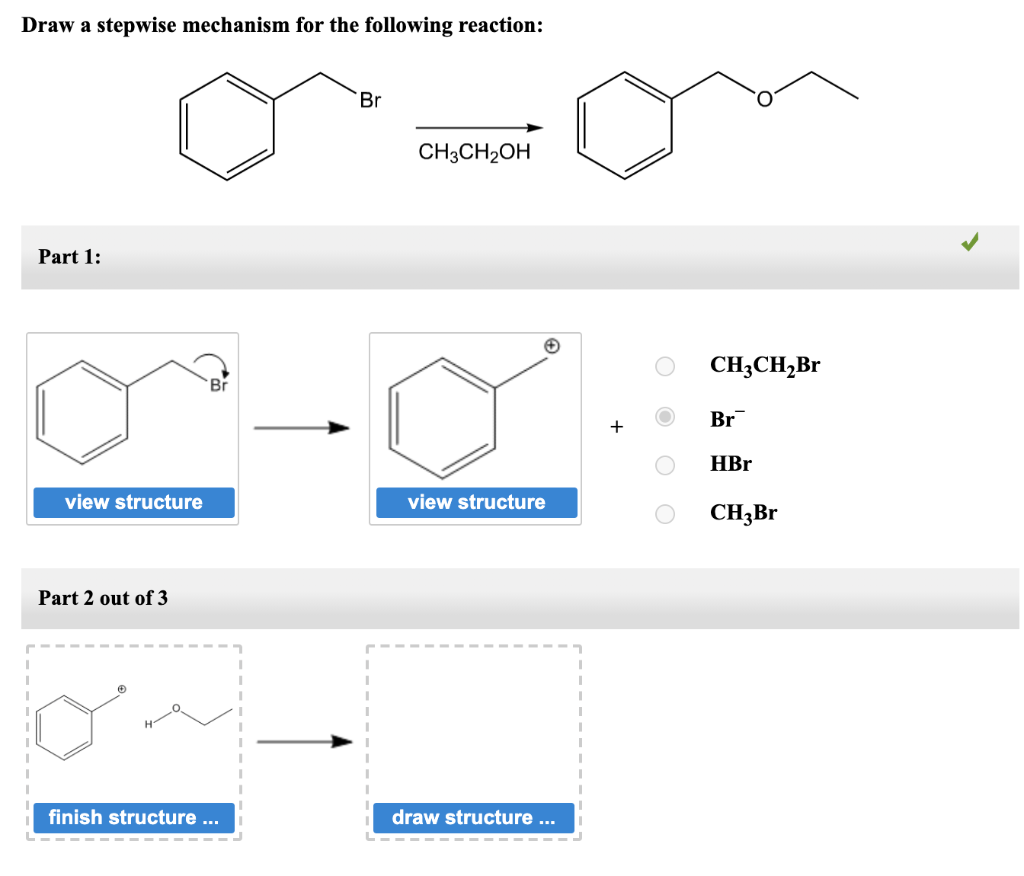
Draw The Mechanism For The Following Reaction
Draw The Mechanism For The Following Reaction - The stepwise changes are collectively called the reaction mechanism. It describes how individual atoms, ions, or molecules interact to form particular products. Br h view structure part 2 out of 2 br edit structure. The decomposition of ozone, for example, appears to follow a mechanism with two steps: In an internal combustion engine, for example, isooctane reacts with oxygen to give carbon dioxide and water: Many reaction mechanisms contain one step that is much slower than the others; Draw a stepwise mechanism for the following reaction: Web the mechanism of a chemical reaction is the sequence of actual events that take place as reactant molecules are converted into products. Be sure to answer all parts. The mechanism must be consistent with the experimental rate law. Explain why the reaction below is an equilibrium reaction. In an internal combustion engine, for example, isooctane reacts with oxygen to give carbon dioxide and water: Be sure to answer all parts. Show how to accomplish the following transformation: The decomposition of ozone, for example, appears to follow a mechanism with two steps: Web this molecular description is the mechanism of the reaction; Web at minimum, a possible reaction mechanism must meet the following two conditions: Draw a stepwise mechanism for the following reaction: Web draw a reasonable mechanism for the following reaction: Many reaction mechanisms contain one step that is much slower than the others; In an internal combustion engine, for example, isooctane reacts with oxygen to give carbon dioxide and water: Be sure to answer all parts. The mechanism must be consistent with the experimental rate law. Web draw a reasonable mechanism for the following reaction: Show how to accomplish the following transformation: Web draw a reasonable mechanism for the following reaction: The equations for the elementary steps in the mechanism must add up to the overall equation for the reaction. Web this molecular description is the mechanism of the reaction; The decomposition of ozone, for example, appears to follow a mechanism with two steps: The decomposition of ozone, for example, appears to. Fill in the missing reagents for the reactions below. Web draw a reasonable mechanism for the following reaction: Br h view structure part 2 out of 2 br edit structure. The mechanism must be consistent with the experimental rate law. It describes how individual atoms, ions, or molecules interact to form particular products. The decomposition of ozone, for example, appears to follow a mechanism with two steps: Show how to accomplish the following transformation: The stepwise changes are collectively called the reaction mechanism. The equations for the elementary steps in the mechanism must add up to the overall equation for the reaction. The mechanism must be consistent with the experimental rate law. Explain why the reaction below is an equilibrium reaction. Web draw a mechanism for the following reaction, using curved arrows to show the movement of all electrons. Many reaction mechanisms contain one step that is much slower than the others; The stepwise changes are collectively called the reaction mechanism. The decomposition of ozone, for example, appears to follow a mechanism. It describes how individual atoms, ions, or molecules interact to form particular products. The stepwise changes are collectively called the reaction mechanism. The decomposition of ozone, for example, appears to follow a mechanism with two steps: The equations for the elementary steps in the mechanism must add up to the overall equation for the reaction. Be sure to answer all. Web draw a mechanism for the following reaction, using curved arrows to show the movement of all electrons. Web a reaction mechanism is the sequence of elementary steps by which a chemical reaction occurs. The decomposition of ozone, for example, appears to follow a mechanism with two steps: Web draw a reasonable mechanism for the following reaction: Fill in the. Br h view structure part 2 out of 2 br edit structure. Acetal hydrolysis followed by fisher esterification) 2. Explain why the reaction below is an equilibrium reaction. The decomposition of ozone, for example, appears to follow a mechanism with two steps: Web the mechanism of a chemical reaction is the sequence of actual events that take place as reactant. Web draw a reasonable mechanism for the following reaction: The decomposition of ozone, for example, appears to follow a mechanism with two steps: Acetal hydrolysis followed by fisher esterification) 2. The decomposition of ozone, for example, appears to follow a mechanism with two steps: Web at minimum, a possible reaction mechanism must meet the following two conditions: Fill in the missing reagents for the reactions below. The stepwise changes are collectively called the reaction mechanism. The decomposition of ozone, for example, appears to follow a mechanism with two steps: Web at minimum, a possible reaction mechanism must meet the following two conditions: Acetal hydrolysis followed by fisher esterification) 2. The stepwise changes are collectively called the reaction mechanism. The equations for the elementary steps in the mechanism must add up to the overall equation for the reaction. Web the mechanism of a chemical reaction is the sequence of actual events that take place as reactant molecules are converted into products. In an internal combustion engine, for example, isooctane reacts with oxygen to give carbon dioxide and water: Web draw a mechanism for the following reaction, using curved arrows to show the movement of all electrons. The decomposition of ozone, for example, appears to follow a mechanism with two steps: Many reaction mechanisms contain one step that is much slower than the others; The decomposition of ozone, for example, appears to follow a mechanism with two steps: Explain why the reaction below is an equilibrium reaction. The mechanism must be consistent with the experimental rate law. Fill in the missing reagents for the reactions below. Br h view structure part 2 out of 2 br edit structure. Web a reaction mechanism is the sequence of elementary steps by which a chemical reaction occurs. It describes how individual atoms, ions, or molecules interact to form particular products. Show how to accomplish the following transformation: Draw a stepwise mechanism for the following reaction: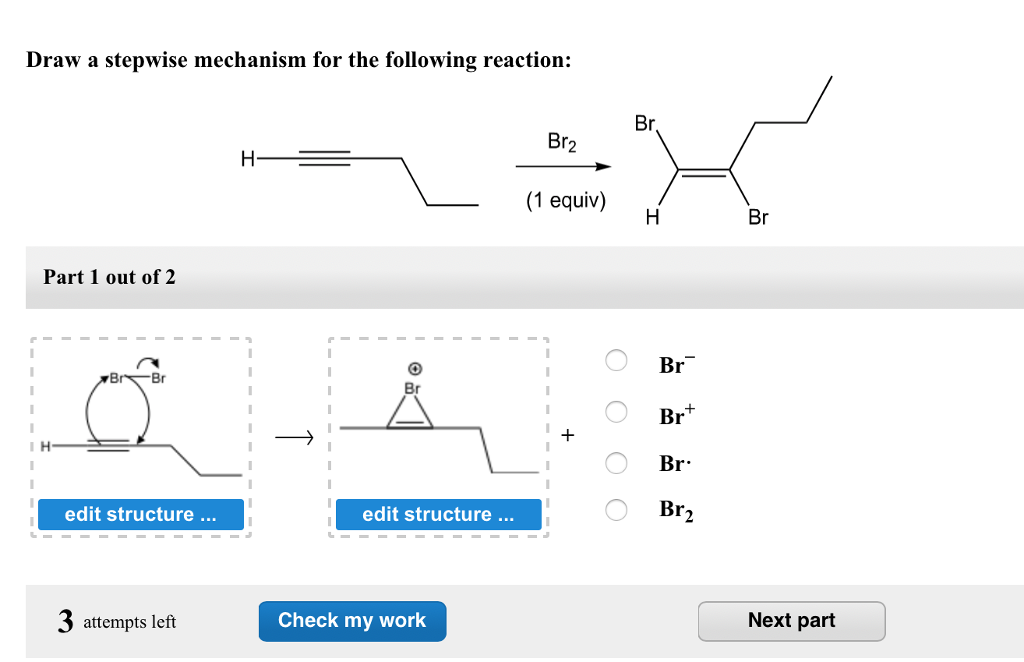
Solved Draw a stepwise mechanism for the following reaction
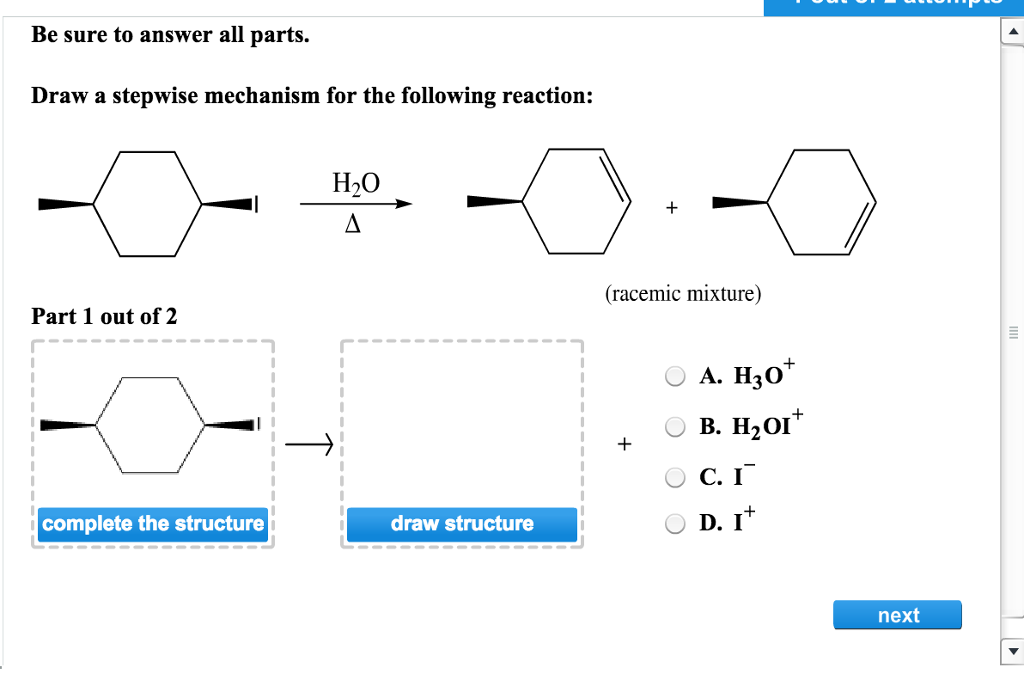
Solved Draw A Stepwise Mechanism For The Following Reacti...
[Solved] Draw a curved arrow mechanism of the following reaction. Draw
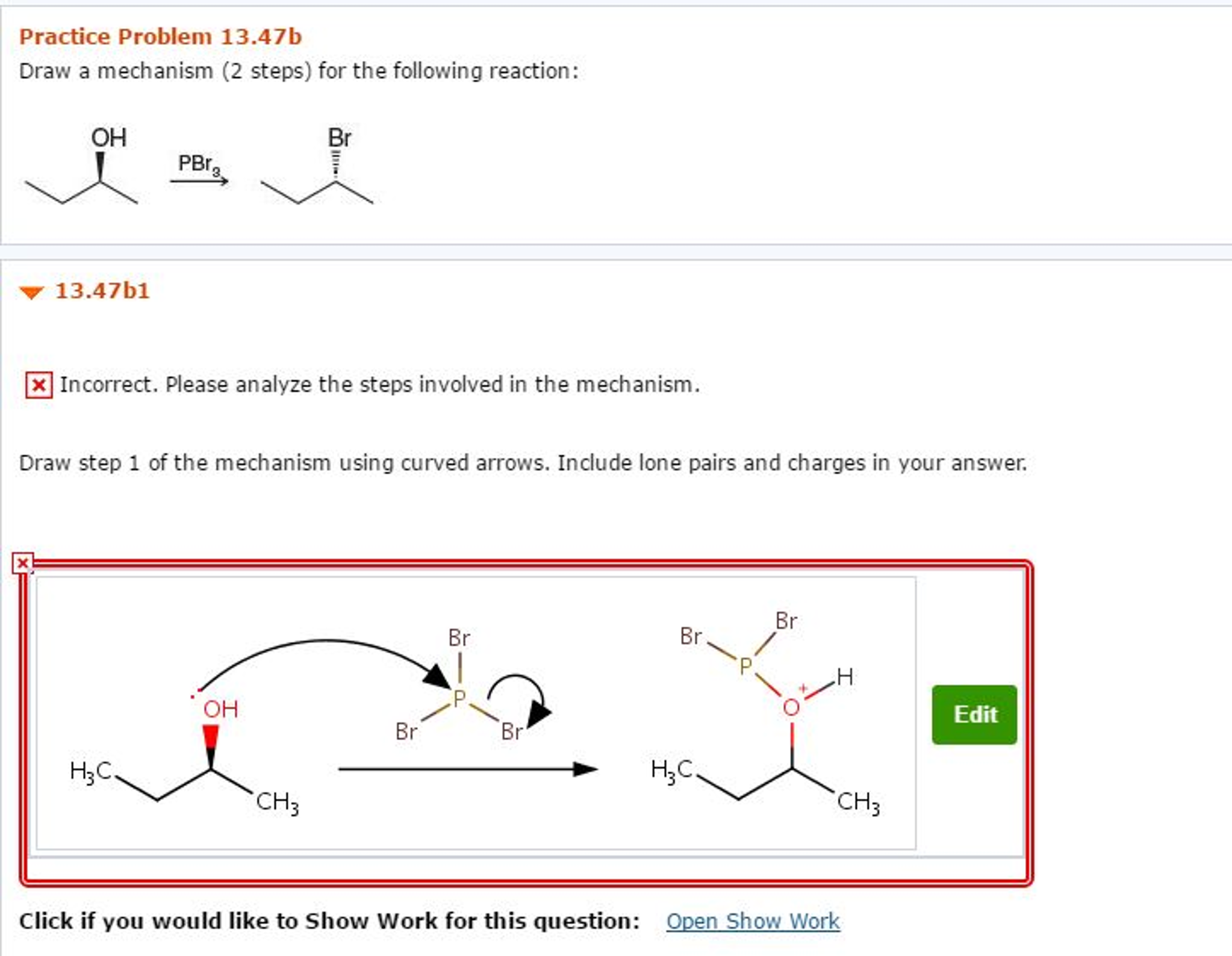
Solved Draw a mechanism (2 steps) for the following
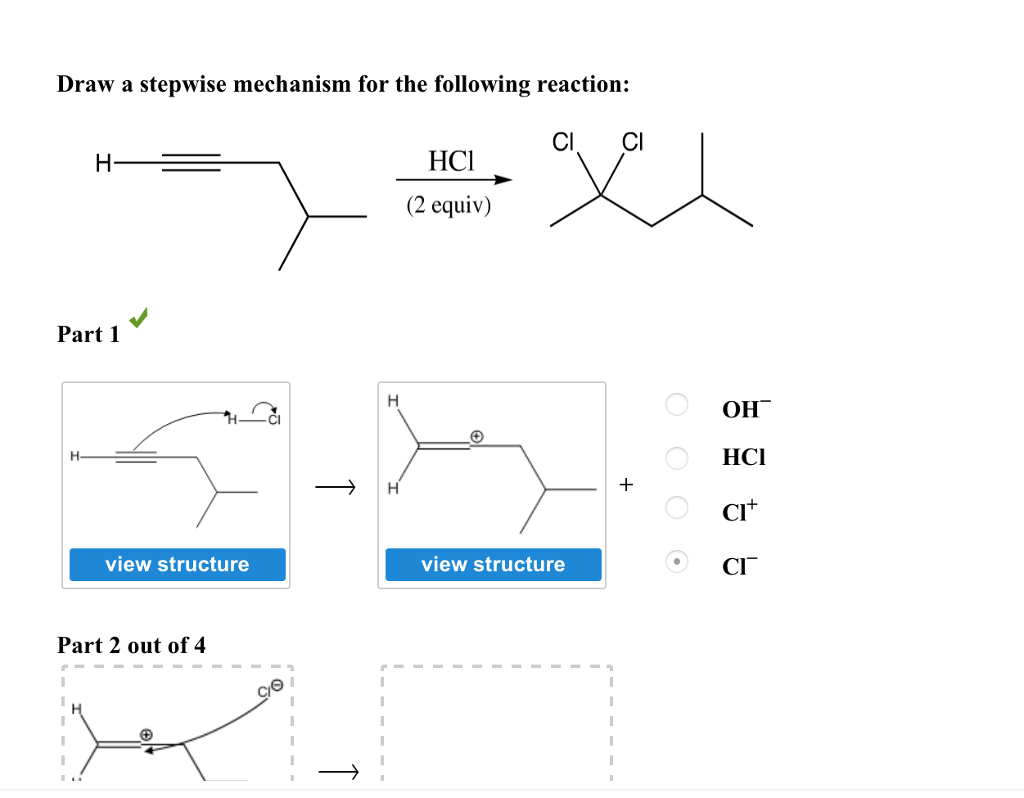
Draw The Mechanism For The Following Reaction
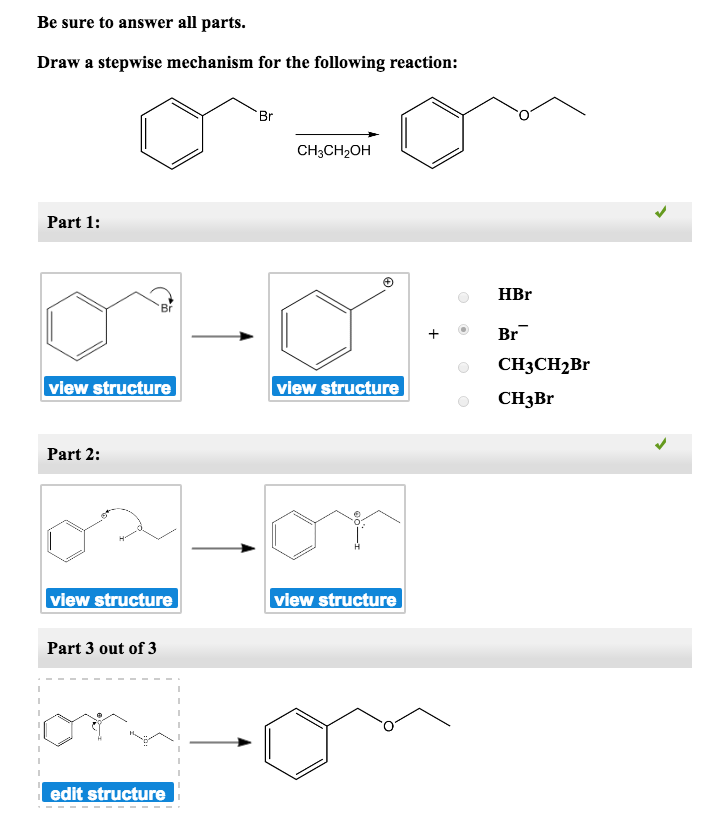
Solved Draw a stepwise mechanism for the following reaction
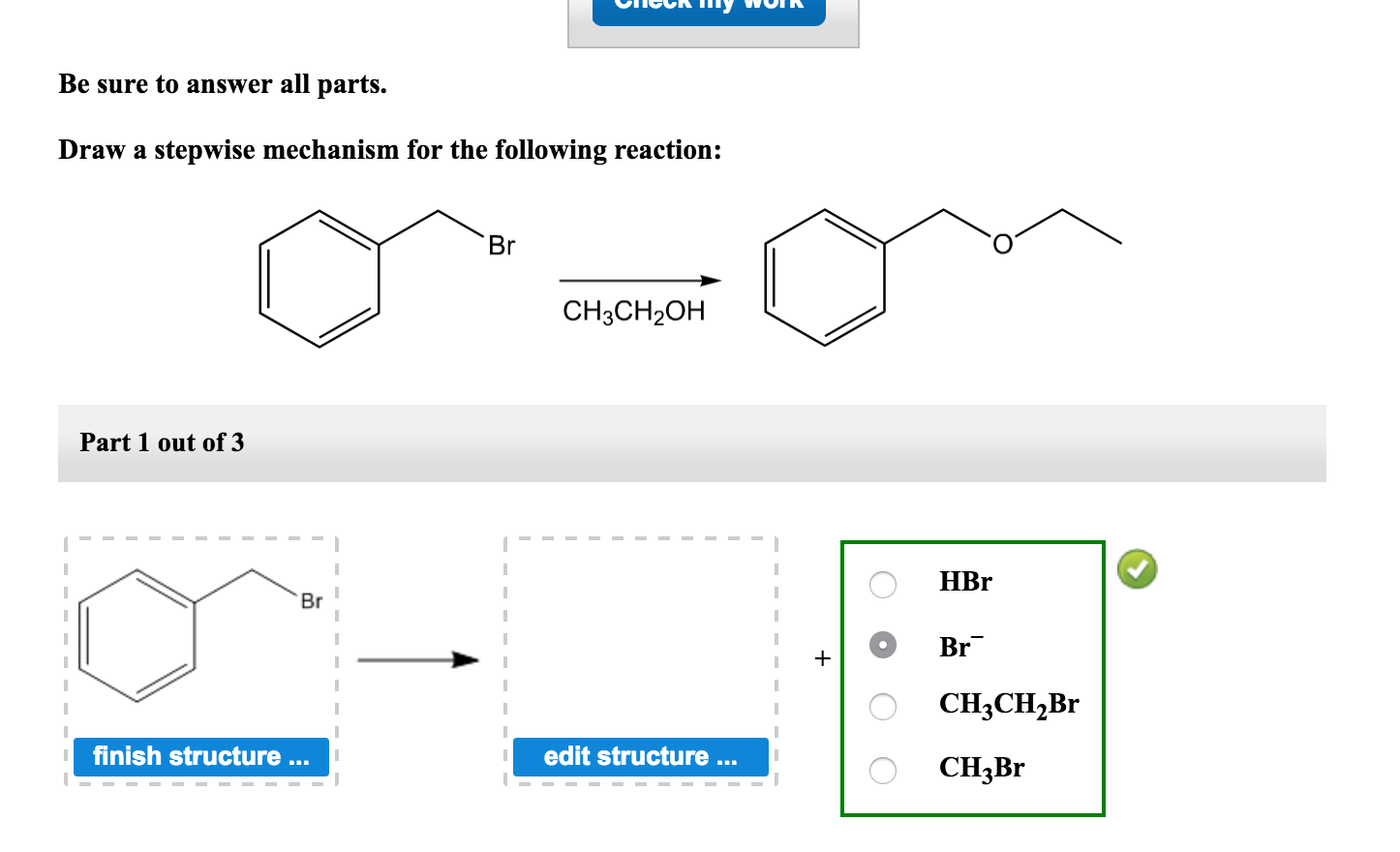
Draw A Mechanism For The Following Reaction
Solved Draw a stepwise mechanism for the following reaction
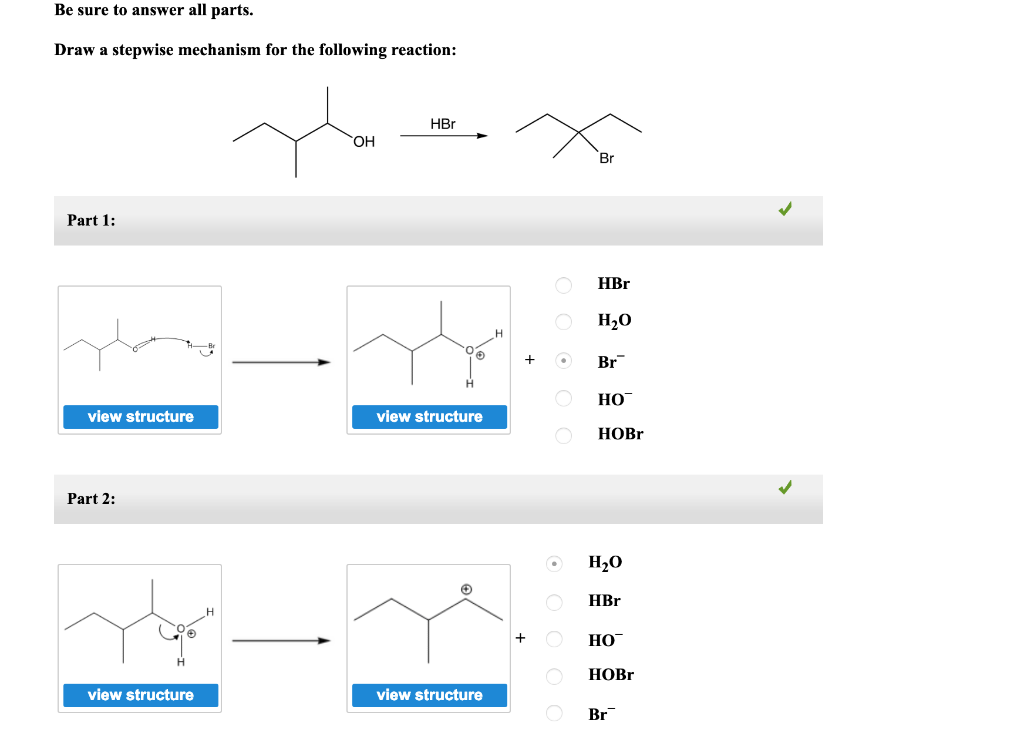
draw a stepwise mechanism for the following reaction 2xsafari
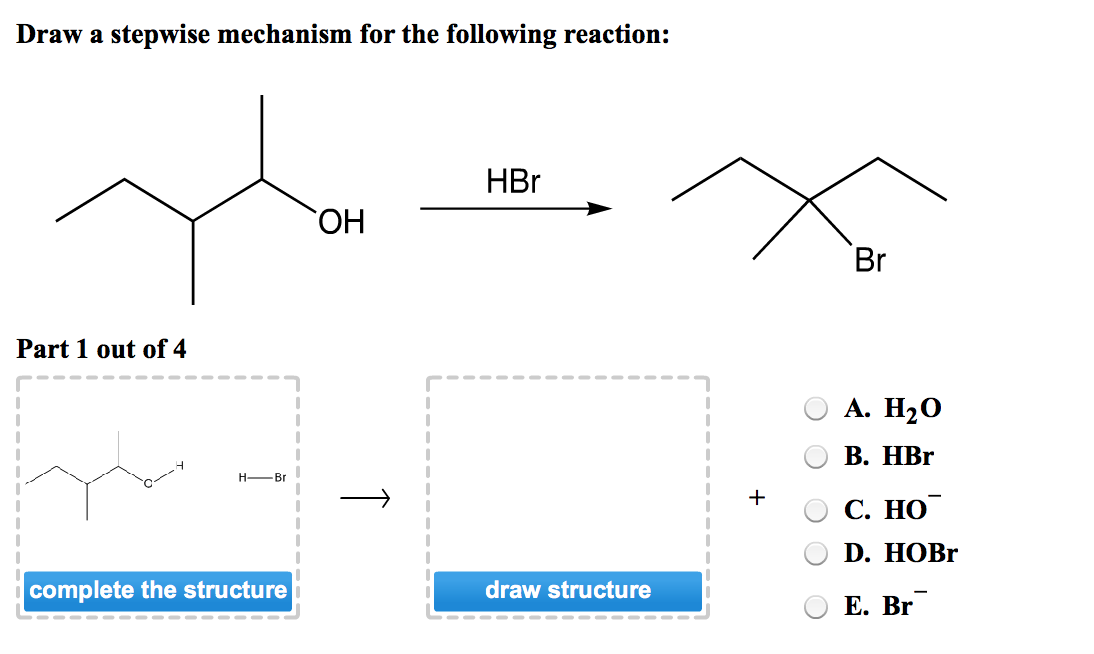
Solved Draw a stepwise mechanism for the following reaction
Web Draw A Reasonable Mechanism For The Following Reaction:
Web At Minimum, A Possible Reaction Mechanism Must Meet The Following Two Conditions:
Be Sure To Answer All Parts.
Web This Molecular Description Is The Mechanism Of The Reaction;
Related Post: