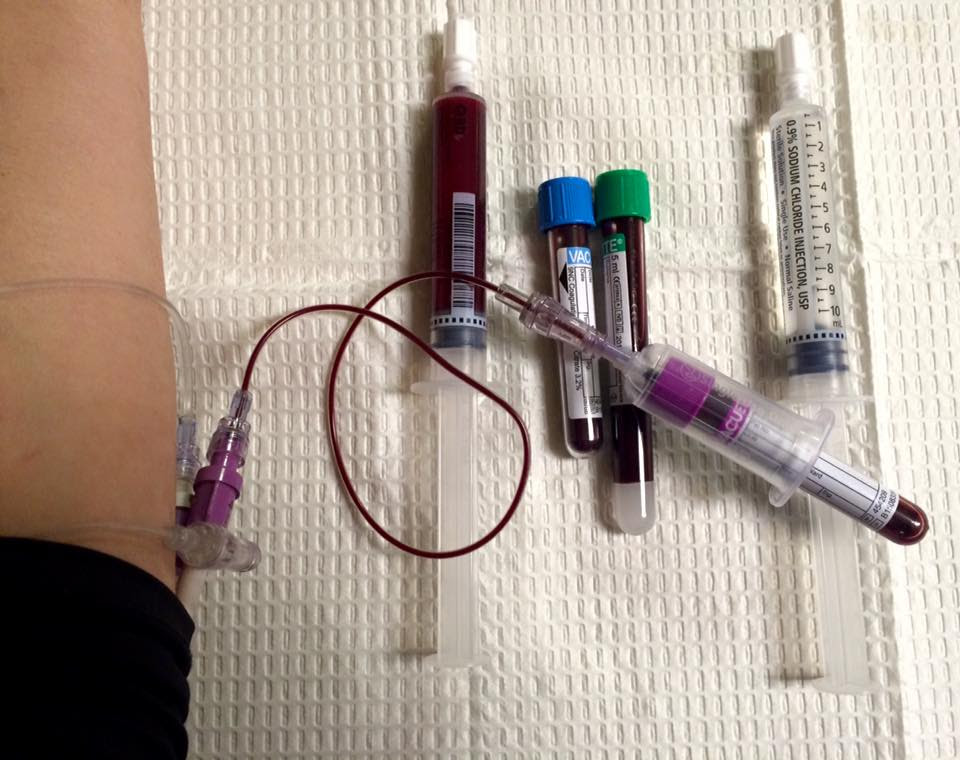
Blood Draw From Midline
Blood Draw From Midline - Web peripheral intravenous catheters (pivcs) are one of the most used medical devices in hospitalized patients, but the 2021 infusion nurses society infusion therapy. Web piccs are used for patients who need: The catheter is inserted into a vein in your arm. Using mcs for blood withdrawal resulted in low rates of hemolysis (0.69%). Web also, routine blood draws are not advised from a midline catheter, as opposed to the more central types of venous catheters. Web < prev next > 2 best practices in phlebotomy. Review current practice and evidence regarding midline use. Web recognize the appropriate clinical use of midline catheters. Web a midline catheter is a small tube used to give treatments and to take blood samples. In this article we will take you through the. Web midlines are notorious for not being able to obtain blood return. Web < prev next > 2 best practices in phlebotomy. Kelly, clinical nurse advisor, discusses if we can take or transfuse blood with midline catheters. Flush with saline first, then pull back your waste and discard. In this article we will take you through the. How is a midline catheter placed? Web also, routine blood draws are not advised from a midline catheter, as opposed to the more central types of venous catheters. The tip of a midline lies in the upper deltoid or axillary vein. Using mcs for blood withdrawal resulted in low rates of hemolysis (0.69%). Web findings indicated that blood withdrawal from one specific type of mc had low rates of hemolysis, increased dwell time, and completion of therapy. Recently, anecdotal feedback from practitioners experiencing hemolyzed samples when. Web blood withdrawal from midline catheters (mcs) is done clinically, but no studies were found evaluating outcomes from this procedure, nor were clinical. Web < prev next > 2 best practices in phlebotomy. Web midlines are notorious for not being able to obtain blood return. Web obtaining routine blood draws from. Web the study concluded that blood draws from midline catheters are clinically equivalent to venipuncture and are an acceptable form of specimen collection for laboratory studies. Kelly, clinical nurse advisor, discusses if we can take or transfuse blood with midline catheters. Web piccs are used for patients who need: Web midline catheter design changes to improve blood draw. Web obtaining. How is a midline catheter placed? Web in this interview, linda j. In this article we will take you through the. This chapter covers all the steps recommended for safe phlebotomy and reiterates the accepted principles for blood. Web you may well be asked to take blood from a picc line or be called to see a patient because their. Using mcs for blood withdrawal resulted in low rates of hemolysis (0.69%). Kelly, clinical nurse advisor, discusses if we can take or transfuse blood with midline catheters. Web piccs are used for patients who need: Web also, routine blood draws are not advised from a midline catheter, as opposed to the more central types of venous catheters. Recently, anecdotal feedback. Web in this interview, linda j. Web blood samples should not be drawn during iv starts or from established iv catheters except for patients on thrombolytics (to reduce number of sticks), or in an emergency. Flush with saline first, then pull back your waste and discard. The tip of a midline lies in the upper deltoid or axillary vein. Web. Web also, routine blood draws are not advised from a midline catheter, as opposed to the more central types of venous catheters. Web the study concluded that blood draws from midline catheters are clinically equivalent to venipuncture and are an acceptable form of specimen collection for laboratory studies. Web blood withdrawal from midline catheters (mcs) is done clinically, but no. The catheter is inserted into a vein in your arm. Web a peripheral iv is a thin, flexible tube that healthcare providers use to draw blood and administer treatments, like iv fluids, medications and blood transfusions. Review current practice and evidence regarding midline use. Web recognize the appropriate clinical use of midline catheters. The tip of a midline lies in. The tip of a midline lies in the upper deltoid or axillary vein. Web a midline catheter may be used to give iv fluids or nutrients, give medicines, draw blood, give blood back to the body, inject a dye for a ct scan, or provide iv access. Results added knowledge on use of midline catheters (mcs) for blood sampling. Web. The tip of a midline lies in the upper deltoid or axillary vein. Kelly, clinical nurse advisor, discusses if we can take or transfuse blood with midline catheters. This chapter covers all the steps recommended for safe phlebotomy and reiterates the accepted principles for blood. How is a midline catheter placed? Web the study concluded that blood draws from midline. Using mcs for blood withdrawal resulted in low rates of hemolysis (0.69%). The end of a midline, inside. How is a midline catheter placed? Web findings indicated that blood withdrawal from one specific type of mc had low rates of hemolysis, increased dwell time, and completion of therapy. Web midline catheter design changes to improve blood draw. Web findings indicated that blood withdrawal from one specific type of mc had low rates of hemolysis, increased dwell time, and completion of therapy. Web midlines are notorious for not being able to obtain blood return. Web peripheral intravenous catheters (pivcs) are one of the most used medical devices in hospitalized patients, but the 2021 infusion nurses society infusion therapy. This chapter covers all the steps recommended for safe phlebotomy and reiterates the accepted principles for blood. Web obtaining routine blood draws from a midline catheter is contraindicated. Web a midline catheter may be used to give iv fluids or nutrients, give medicines, draw blood, give blood back to the body, inject a dye for a ct scan, or provide iv access. Web blood withdrawal from midline catheters (mcs) is done clinically, but no studies were found evaluating outcomes from this procedure, nor were clinical. Web a peripheral iv is a thin, flexible tube that healthcare providers use to draw blood and administer treatments, like iv fluids, medications and blood transfusions. The tip of a midline lies in the upper deltoid or axillary vein. Web also, routine blood draws are not advised from a midline catheter, as opposed to the more central types of venous catheters. Web blood samples should not be drawn during iv starts or from established iv catheters except for patients on thrombolytics (to reduce number of sticks), or in an emergency. Web recognize the appropriate clinical use of midline catheters. Web a midline catheter is a small tube used to give treatments and to take blood samples. The catheter is inserted into a vein in your arm. Web you may well be asked to take blood from a picc line or be called to see a patient because their picc line is not working. Web piccs are used for patients who need:Drawing Blood From Picc Line Nursing

Midline Blood Draw Procedure YouTube

Midline catheter placement and maintenance protocol VascuFirst

PICC Line Blood Draw Explained E Phlebotomy Training
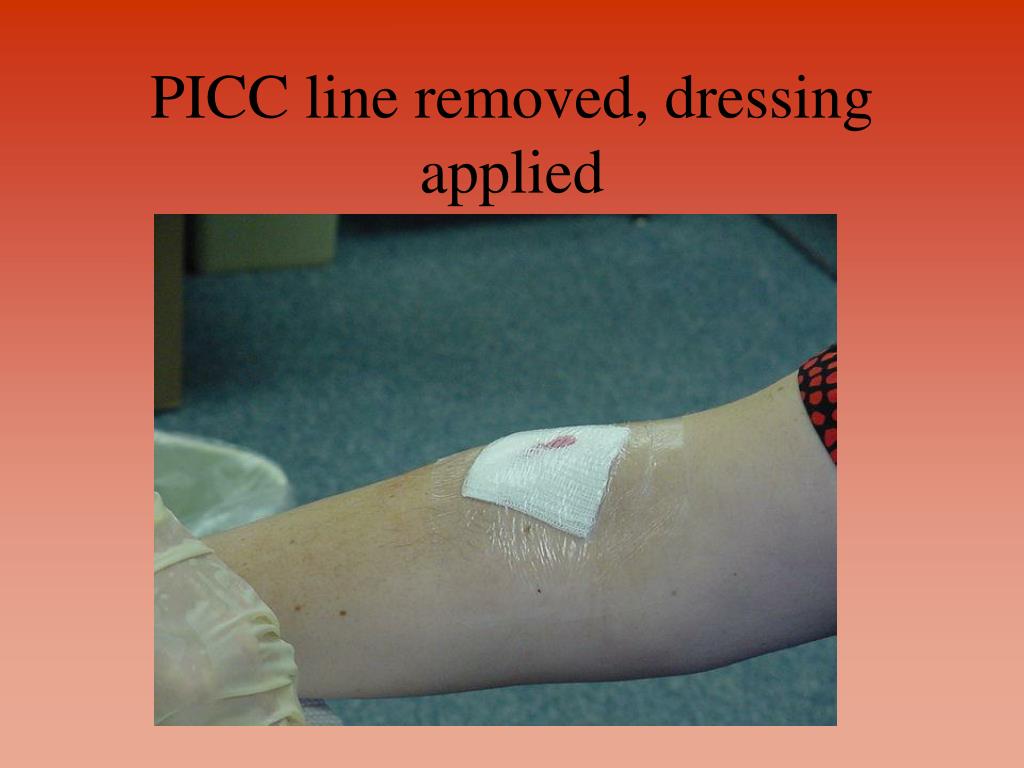
Drawing Blood Cultures From Picc Line

Peripheral IVs and PIVs Vascular Wellness

Drawing blood from a picc line with surgical gloves (peripherally
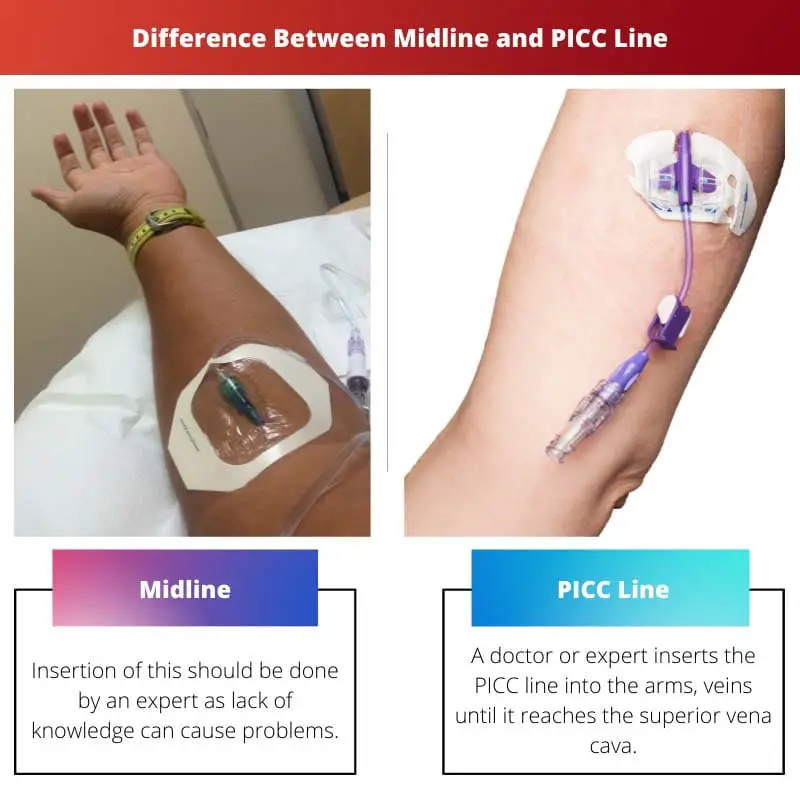
Midline vs PICC Line Difference and Comparison

How to Draw Labs from an Arterial Line YouTube

Drawing Blood and Administering Fluid of CVC YouTube
Web The Study Concluded That Blood Draws From Midline Catheters Are Clinically Equivalent To Venipuncture And Are An Acceptable Form Of Specimen Collection For Laboratory Studies.
In This Article We Will Take You Through The.
Web Midline Catheter Design Changes To Improve Blood Draw.
Review Current Practice And Evidence Regarding Midline Use.
Related Post: